
Bulk Ammunition Buying Guide: Save Money With Case Quantities of 9mm, 5.56, and 22LR
Picture yourself at the range, burning through a full magazine without wincing at the cost—that’s the everyday magic of **bulk ammunition**. It’s simply factory-loaded cartridges sold in large quantities, like 500 or 1,000 rounds, rather than small boxes, so you pay less per round and keep your shooting rhythm unbroken. Each bullet works exactly the same as its pricier shelf counterpart, feeding, firing, and cycling through your firearm with reliable consistency, just in a more budget-friendly package. You just load your mags straight from the bulk box and enjoy more trigger time without the hassle of frequent reorders.
Why Buying in Volume Actually Saves You Money
Buying bulk ammunition directly attacks the largest recurring cost of shooting: the per-round price. Manufacturers and retailers offer significant tiered discounts because packaging, shipping, and handling are largely fixed, so a single bulk case of 1,000 rounds costs less per unit than four boxes of 250. That **cost-per-round savings** compounds quickly, especially for high-volume calibers like 9mm or .223, where the difference often reaches 20–30 percent. Beyond the sticker price, volume purchases slash your shipping fees—you pay one freight charge instead of five—and reduce the number of transactions, which means less wasted time and fewer trips to the store. More importantly, locking in a bulk price today protects you against future price spikes, so every round you shoot later is effectively cheaper than buying the same ammo piecemeal next month. The math is simple: more rounds upfront equals maximum savings per trigger pull.

Understanding the true cost-per-round math
The real win in bulk ammo comes from doing the actual math, not just glancing at the sticker price. Divide the total cost—including shipping and any hazmat fees—by the number of rounds you’re getting. That final number is your true cost-per-round math, and it’s what you compare against a box of 20 at the local store. A case of 500 might look pricey upfront, but if it lands at 28 cents per round versus 45 cents for a smaller box, you’ve just saved nearly half on every trigger pull. *Remember, a “deal” on a hundred rounds can be worse than a bulk price if you ignore the per-round total.* Always recalculate with fees included, then decide if that savings justifies the cash layout.
How shipping fees change when you order larger quantities
Shipping fees for bulk ammunition scale non-linearly. A single 20-round box carries a base handling charge plus weight surcharge, making per-unit freight exorbitant. When you jump to a 500-round case, carriers shift from dimensional weight to flat-rate thresholds; the per-carton fee often drops by 30–50%. Ordering a full 1,000-round pallet triggers freight trucking rather than parcel delivery, where the cost per round becomes negligible—often under one cent. Critically, hazmat surcharges for primers and powder are charged once per shipment, not per box, so volume purchases amortize fixed shipping costs dramatically. Splitting large orders defeats this, as each split repays the base fee and hazmat charge. Thus, the incremental cost to add another 200 rounds to an existing order is frequently zero, as you stay within the same weight bracket.
Shipping fees drop per round as quantity rises: flat base charges and one-time hazmat fees are spread across more ammunition, while heavier 7.62×39 Ammo for Sale pallets switch to cheaper freight rates, making larger orders proportionally cheaper to deliver.
When bulk pricing stops being a bargain
Bulk pricing loses its advantage the moment you buy more ammunition than you can actually use before your needs or circumstances change. If you over-purchase a specific grain weight or load, then switch firearms or simply stop shooting as frequently, those thousands of extra rounds become a sunk cost, not a savings. Similarly, a bulk deal on ammunition you do not shoot well or do not enjoy practicing with forces you to either eat the expense or resell at a loss, erasing any per-round discount. When bulk pricing stops being a bargain, it is because the per-round price only matters if the rounds are actually fired. Calculate your realistic monthly consumption, then cap your order at three to six months of supply; beyond that, you are paying for storage and inventory you may never use.
Caliber Selection: What to Stockpile and What to Skip
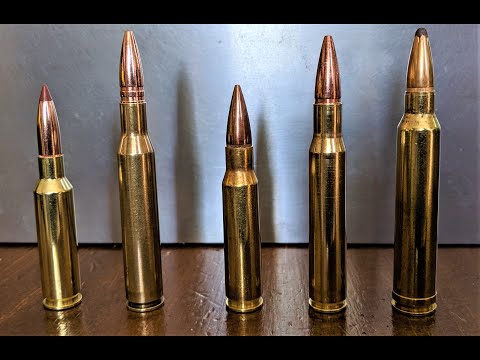
When buying bulk ammunition, your caliber choice decides whether you’re building a fortress or a paperweight. Stockpile 9mm and 5.56 NATO in volume—they’re the workhorses that feed every range trip and defensive scenario, with endless interchangeability across your pistols and rifles. Skip exotic hunting rounds like .300 Win Mag or obscure vintage calibers; their bulk prices stay high, and a single box gathering dust means wasted cash. A .22 LR case is smart for cheap practice, but don’t let it dominate your stash.
The round you shoot most is the round you’ll actually need when the rack runs dry.
Before committing to a full case, test a hundred rounds of any new load—if your gun jams on it, bulk buys become bulk headaches. Keep your stockpile boring, proven, and plentiful.

Most popular defensive rounds for volume purchasing
When you’re buying bulk ammo for defense, **popular defensive rounds for bulk stockpiling** usually boil down to 9mm and 5.56 NATO. The 9mm is the undisputed champ for handguns because it’s cheap enough to buy by the case, reliable in most semi-autos, and offers manageable recoil for quick follow-up shots—perfect for home defense. For rifles, 5.56 is the go-to due to its lightweight nature, allowing you to store thousands of rounds without breaking your back or budget, and it performs well against threats without over-penetrating like heavier calibers. Skip exotic stuff like .40 S&W or .45 ACP if you want true volume; they cost more per round and are less versatile across platforms. Stick with these two, and you’ll have a practical, effective stash.
Q: What’s the single best defensive round to buy in bulk?
A: 9mm—it’s the .17 HMR Ammo for Sale sweet spot for price, availability, and stopping power, so you can stack deep without skimping on quality.
Cheap practice loads vs. premium carry ammunition
Stockpiling ammo means splitting your stash between cheap practice loads and premium carry ammunition. Buy bulk FMJ rounds for reps—they’re reliable enough for drills, but you’ll save cash and burn through hundreds without guilt. Reserve your top-tier defensive hollow points for the magazine you actually trust your life to. Run a few boxes of premium ammo per year to confirm your gun cycles it, then keep the rest sealed. Don’t practice with carry ammo—it wastes money and accelerates barrel wear.
Should you ever shoot premium ammo in practice? Only occasionally, to verify zero and feed reliability—otherwise, stick to cheap loads for volume training.
Matching grain weight and bullet type to your firearm
Matching grain weight and bullet type to your firearm is the difference between a stockpile that performs and one that merely stacks. Heavier grains, like a 147gr 9mm, often cycle more reliably in suppressed or competition setups, while lighter 115gr loads can feel snappier but may keyhole in barrels with slower twist rates. Before buying bulk, verify your barrel’s twist rate—a 1:7 twist demands heavier projectiles, while a 1:12 prefers lighter ones—and test a box of each candidate for accuracy and feed reliability. Bullet profile matters too: flat-nosed rounds can jam in finicky magazines, while hollow points may not expand at the velocity your short barrel produces. **Bulk ammunition only saves money when the grain and projectile actually stabilize in your specific rifling and chamber.** Don’t assume your rifle or pistol “likes” a standard weight; shoot five-shot groups at 50 or 100 yards and check for pressure signs or erratic ejection. Stockpile only the exact load that your firearm groups tightly with, not what’s cheapest per round.
Your bulk stash is worthless if the grain weight and bullet type don’t align with your barrel’s twist rate, magazine feed geometry, and intended range—test first, then commit in volume.
How to Store Large Quantities Without Ruining Them
To store bulk ammunition without ruining it, prioritize a cool, stable environment, as extreme temperature swings degrade propellant and sealants. Keep every round sealed in its original factory box or an airtight ammo can with a desiccant pack to block humidity, which is the primary cause of corrosion and primer failure. Elevate your containers off concrete floors to prevent moisture wicking, and avoid basements prone to dampness. Rotate your stock by using the oldest rounds first to prevent primer degradation over decades. Above all, control the environment—proper bulk ammunition storage hinges on consistent dryness, so inspect quarterly for tarnish or powder odor. This disciplined approach ensures your large quantity ammo preservation keeps every cartridge reliable for years, not just months.
Humidity control and temperature guidelines for long-term storage
For bulk ammunition, stable temperature and humidity control are the foundation of long-term storage. Maintain a consistent ambient temperature between 55°F and 70°F; avoid cyclic swings above 100°F, which accelerate powder degradation. Relative humidity should stay between 30% and 50%—below 30% risks desiccating primers, while above 50% invites primer corrosion and case tarnishing. Use a hygrometer in your storage room, and employ silica gel or a dehumidifier to manage moisture. Never store specialty sports & supply rounds directly on concrete floors; use pallets or insulated shelving to prevent condensation wicking. For seasonal climates, check the hygrometer monthly and adjust accordingly.
Best containers and ammo cans for stacking hundreds of rounds
For stacking hundreds of rounds, prioritize 50-caliber metal ammo cans over plastic, as their reinforced lids and welded seams withstand the compressive weight of five or six cans in .17 WSM Ammo for Sale a column without warping. Pair these with sealed, rigid polypropylene containers featuring gasket-lined lids and integral stacking ribs, which prevent shifting and maintain a moisture barrier. However, never stack metal cans beyond chest height, as the concentrated load can distort lower lids over time and compromise their airtight seal. Use only cans with rubber gaskets intact; replace any that are cracked or flattened. For loose bulk, use 30-caliber cans for dense pistol rounds and reserve 50-caliber for bulky rifle cartridges.
- Choose 50-caliber steel with a powder-coat finish to resist rust from sweat and humidity.
- Use double-stacked cans with a wooden or plywood separator to distribute weight evenly.
- Label each can’s exterior with a grease pencil, not stickers, to avoid adhesive residue.
- Inspect gasket pliability annually; replace if they feel stiff or cracked.

Rotating your stock so older boxes get used first
When you buy in bulk, your ammo becomes a static investment unless you actively manage its flow. Rotating your stock ensures older boxes get used first, preventing the slow degradation of powder and primers that happens even in ideal storage. Make a habit of placing new shipments behind existing inventory, and always pull from the front for range days or defensive reloads. Write the purchase date on each case with a marker, giving you a visual cue for which boxes are aging. This simple sequence keeps your oldest ammunition cycling through your firearm, where it performs reliably, rather than becoming a questionable batch of misfires years later. Your shooting stays consistent, and your stored reserve remains uniformly fresh.
Box Count, Case Count, or Loose Pack – Which Should You Pick?
You’re staring at three pallets of bulk ammunition, and the choice isn’t about caliber—it’s about how you’ll actually burn through it. Box count (20–50 rounds in a cardboard sleeve) suits a shooter who grabs a handful for a quick range session, keeping each lot separate for accuracy tracking. Case count (500–1,000 rounds in a sealed can) is the sweet spot for a weekend competitor who knows they’ll shoot all of it, saving per-round cost while retaining moisture-proof storage. Loose pack (a sack of unboxed rounds) is for the reloader or mag-dumper who doesn’t care about packaging—just fill your mags fast and leave the paper behind. **Rule 5.7x28mm Ammo for Sale of thumb: buy case count if you shoot weekly, loose pack if you reload, boxes if you’re picky.** *Q: What’s the real difference? A: Boxes protect lot numbers, cases protect against humidity, loose packs protect your wallet—nothing more.* I once bought loose 9mm to save $20, then spent an hour picking out dented cases before seating primers—never again unless I’m just blasting steel.
Comparing factory-sealed cases to loose bulk bags
Factory-sealed cases offer the highest level of physical protection and tamper-evident security, making them ideal for long-term storage of bulk ammunition. Loose bulk bags, however, prioritize accessibility and lower per-round cost, sacrificing the rigid stackability of a case. When comparing factory-sealed cases to loose bulk bags, consider that sealed cases preserve primer and powder integrity against humidity better, while loose bags allow you to grab exactly the number of rounds you need without opening a full case. Factory-sealed case integrity also simplifies inventory tracking, but loose bags win on immediate portability and range-day convenience.
- Factory-sealed cases stack neatly and resist crushing, unlike pliable bulk bags.
- Loose bulk bags are easier to redistribute into magazines or ammo cans on the fly.
- Sealed cases reduce moisture exposure; loose bags require a dry secondary container.
- Bulk bags typically have a lower price per round but no manufacturer 7.62×51 Ammo for Sale seal guarantee.
What a “brick,” “flat,” or “can” actually contains
A “brick” of 22 LR is usually 500 rounds, Ammo Cans & Storage for Sale packed as ten 50-round boxes, though some budget bricks hold 525 or 550 to add a few freebies. A “flat” is less standardized: it often means a single layer of ammo—for 9mm or .45 ACP, that’s typically 50 rounds in one tray or box, but shotgun flats can be 250 shells (five 25-round boxes). A “can” refers to sealed metal or military-style tins: a spam can of 7.62x39mm holds 440 rounds, while a 5.56 can is often 420 rounds on stripper clips. Always check the actual round count printed on the label, since “flat” varies wildly by brand.
- Identify caliber and packaging type (box, tray, or tin).
- Read the label for exact round count—don’t assume.
- Note if the can requires an opener or includes clips for loading.
Headstamp consistency and why it matters for accuracy
When buying bulk ammunition, headstamp consistency directly dictates accuracy potential. Mixed headstamps mean mixed case wall thickness, internal volume, and primer pocket depth, which alter pressure curves from round to round. This shifts your point of impact unpredictably, especially at distances beyond 100 yards. Uniform headstamps from a single lot ensure identical brass dimensions, promoting consistent neck tension and combustion. For precision work, sorting by headstamp—or buying factory-sorted bulk—tightens vertical stringing on target. Loose pack or mixed case counts often hide this variance, while boxed or case-count options from one lot preserve lot-to-lot uniformity. Your rifle may shoot 1 MOA with consistent headstamps, yet open to 3 MOA with mixed brass. Prioritize headstamp integrity over raw round count.
Common Mistakes First-Time Volume Buyers Make
First-time bulk ammunition buyers often stumble by chasing the lowest price per round, only to discover they’ve stockpiled a cartridge their firearm dislikes. Failing to test a small batch before committing to 1,000+ rounds is the most expensive mistake, as feeding a finicky gun unreliable ammo means wasted money and frustrating range sessions. Another common error is ignoring storage reality—buying sealed cases without a dehumidifier invites corroded primers and dud rounds months later. Beginners also overlook lot consistency, mixing different production runs that shift point-of-impact. Finally, they overbuy one caliber out of panic, neglecting the rotation needed to keep primers and powder fresh.
Always verify your gun’s function with a 50-round sample, then store bulk in cool, dry conditions while rotating stock oldest-first.
Master these basics, and your bulk purchase becomes an asset, not a liability.
Ignoring lot numbers and mixing incompatible rounds
Ignoring lot numbers when buying bulk ammunition turns your stockpile into a gamble. Different lots of the same caliber can have subtle variations in powder charge, bullet seating, and case length, which alter point-of-impact and pressure. Mixing these rounds in a single magazine or target session creates inconsistent recoil and flyers, making zeroing a rifle or verifying a defensive load 7mm PRC Ammo for Sale nearly impossible. For precision work, you must segregate by lot and verify each batch’s group size before trusting it. Maintaining lot integrity prevents dangerous pressure spikes and erratic accuracy downrange.
- Record lot numbers on each ammo can or box with a permanent marker.
- Test-fire a small sample from every new lot before committing to a match or carry.
- Never combine partial boxes from different lots in the same magazine or revolver cylinder.
- Rotate oldest lots first, but keep them physically separated during storage.
Overlooking brass vs. steel case differences in bulk orders
First-time bulk buyers often overlook the operational and financial gap between brass and steel case ammunition, focusing solely on round count. While 5.56 Ammo for Sale steel case appears cheaper upfront, its bi-metallic construction accelerates barrel wear and is frequently banned at indoor ranges, making a bulk order impractical. Conversely, brass case bulk ammunition offers reloadability, which offsets its higher initial cost over multiple firing cycles. Ignoring these differences when scaling an order means locking in thousands of rounds that may not cycle reliably in tighter chambers or that tarnish your range access. Always verify your firearm’s warranty and your primary range’s policy before committing to a single-case volume purchase.
How to test a small sample before committing to a full case
Before you commit to a full case, buy one box from the same lot number as your intended bulk order. Run at least fifty rounds through your firearm to check for feeding, extraction, and consistent primer strikes. Shoot for group size at your typical engagement distance, and compare 7.62x54R Ammo for Sale velocity if you have a chronograph. Test a small sample under the same conditions you’ll use in competition or defensive drills, including magazine type and shooting position. Examine spent casings for unusual flattening, cracks, or excessive carbon. If accuracy degrades or malfunctions appear, reject that lot entirely—a full case will only multiply the same problems.